
Overview

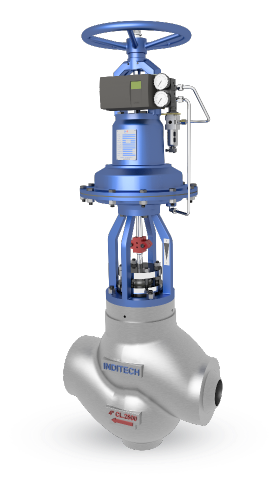
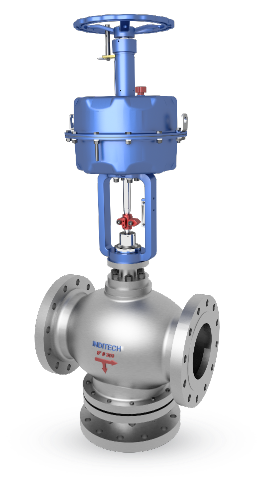
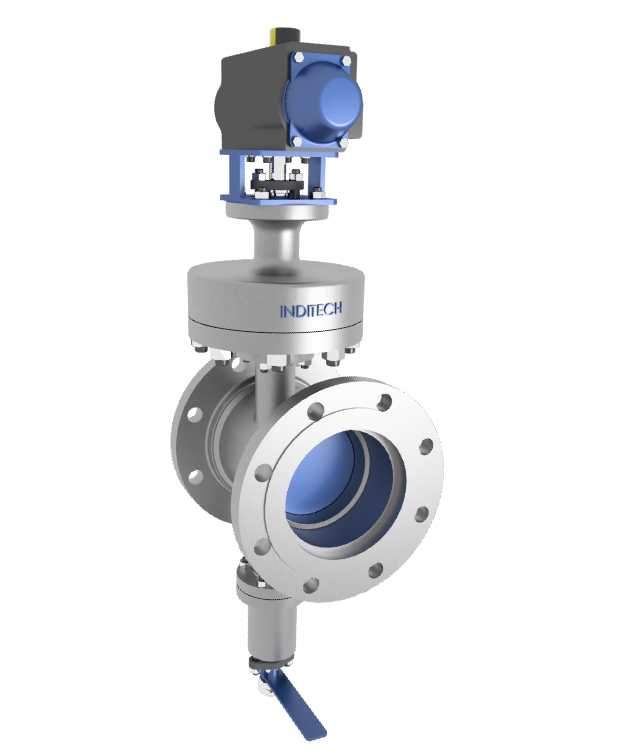
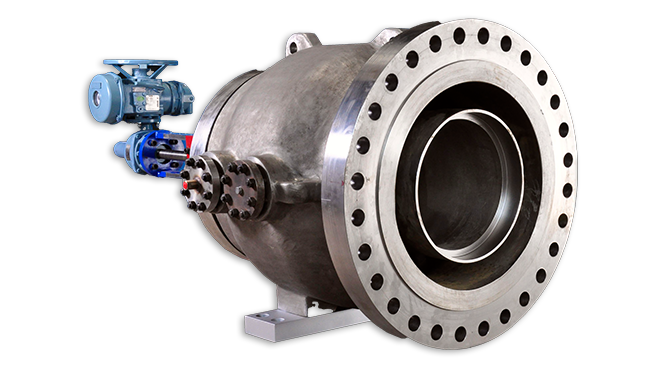
Motorised Control Valve
Control Valves help to:
- Regulate Flow: Flow control valves ensure that every process receives the precise amount of flow it needs.
- Manage Pressure: Pressure Control Valves ensure that all downstream equipment operates at the right pressures and keep the pressure in check, safeguarding equipment and personnel.
- Govern Temperature: Precise flow regulation translates to controlled temperature fluctuations. Temperature Control Valves prevent overheating in a manufacturing process or maintain the delicate balance in a chemical reactor.
- Maintain Level: From ensuring consistent liquid levels in storage tanks to regulating the water level in a boiler, Level Control Valves keep liquids and gases flowing at the right depth.
At IndiTech, we’re more than just a valve manufacturer; we’re your trusted partner in flow control. We offer a diverse portfolio of solutions, each tailor-made to meet the unique needs of your industry. From expert valve selection and installation to ongoing maintenance and technical support, we’re with you every step of the way.
Maximize process efficiency with our high-performance control valves.
Applications
100% & 30% Feed Water Control Valve:
Start-up Vent Valve:
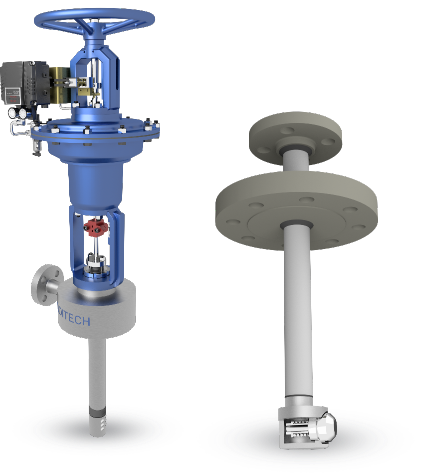
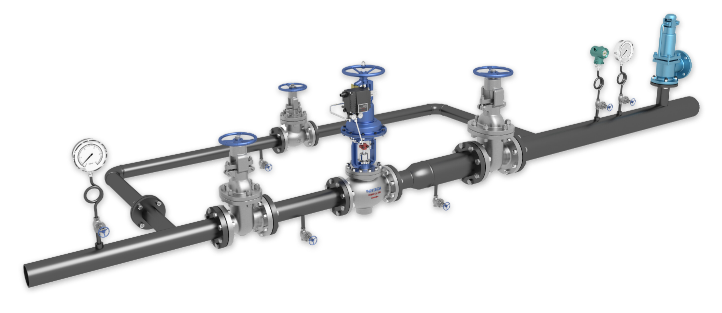
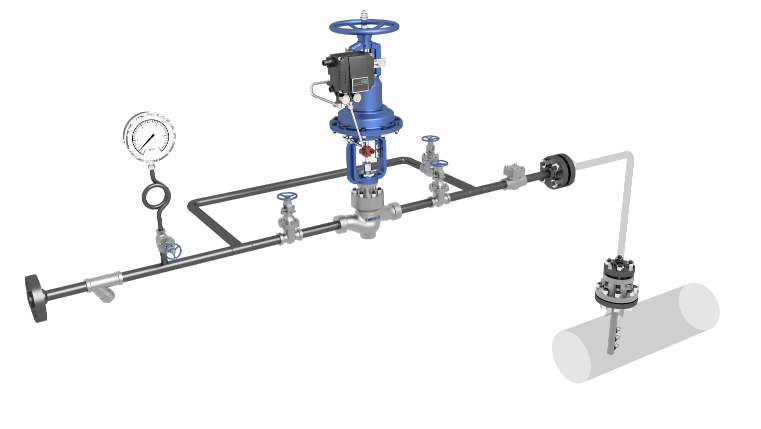
Attemperator Control Valve:
The Attemperator Control Valve in boilers plays a critical role in regulating the temperature of the final superheated steam by injecting water into it.
Auto Gland Seal Control Valve:
Condensate Pump Recirculation Valve:
Exhaust Casing Drain Valve:
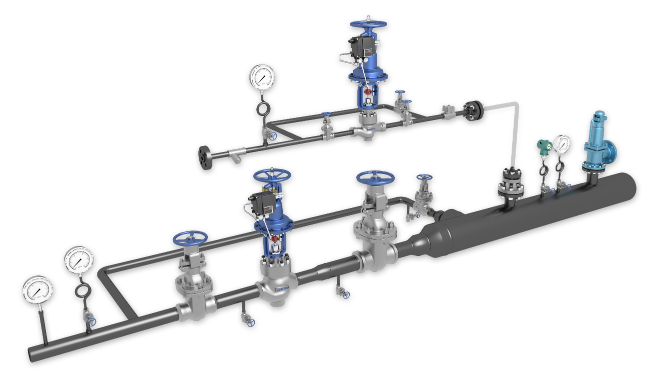
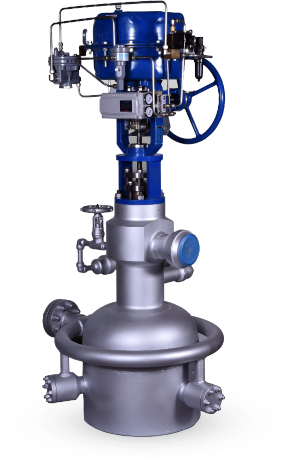
Boiler Feed Pump Recirculation Valve:
The boiler feed pump recirculation valve regulates the bypass flow from the pump outlet back to the deaerator. This bypass flow prevents overheating and cavitation of the pump.
Deaerator Level & Pressure Control Valve:
Soot Blower Control Valve:
Hotwell Level Control Valve:
Exhaust Hood Spray Valve:
Vacuum Breaker Valve:
Technical Data
210
NPS 0.5 to NPS 24 (DN15 to DN600)
CL150 to CL2500
ASME B16.34; ISA 75.01.01
Flanged/Socket Weld/Butt Weld
A216 WCB; A217 WC6/WC9/C12A; A351 CF8/CF8M

Linear/Modified Linear/Equal %/
Modified Equal %/On-Off
Class IV/Class V/Class VI
Pneumatic/Motorised/
Manual
- Positioner (Pneumatic/Electro-pneumatic/ SMART)
- Air Filter Regulator
- Position Transmitter
- Air Lock Relay
- Limit Switch
- Solenoid Valve
- Volume Booster

Features & Benefits
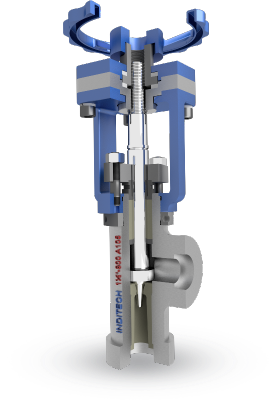
- Streamlined body profile with excellent flow capacity and rangeability
- Wide range of trim options with customised flow characteristics in both balanced and unbalanced designs
- Soft-seated/Hard-faced sealing surface options available
- Roller-burnished valve stem offers minimal friction
- Reliable leakage performance with sealing as per Class IV, Class V, Class VI available
- High-performance PTFE/Graphite stem sealing
- Various bonnet types, from Standard Bolted, Cooling Fin to Pressure Seal Bonnet available
FAQ
What is the difference between a control valve and a regulator ?
They both manage flow; however, they do so very differently. A control valve is operated with an external control system, like a PLC or DCS, which feeds the valve with a signal saying how much to open or close to keep process targets like temperature, flow, or liquid level. A regulator, in contrast, is entirely self-contained. It also detects downstream pressure directly and automatically adjusts itself to maintain that pressure constant without the need for any electronic or pneumatic control command.
What are the signs of an oversized or undersized control valve?
A large valve will operate at a position of very small opening, frequently less than 20 percent, which stabilizes control poorly, causes the valve to hunt around the setpoint, and hastens seat wear. The related issue of an undersized valve is that it cannot attain the required maximum flow when wide open, resulting in restrictions that inhibit or reduce the speed of the process
What materials are best for corrosive chemical applications?
The type of the chemical, temperature, and hydrostatic pressure determine the right decision. SS316 and SS316L have a wide application with respect to most corrosive fluids. On more active materials, more-reactive alloys like Hastelloy or Monel can offer additional protection against corrosion, increasing service life and increasing safety.
What is the function of a valve positioner in a pneumatic control valve?
A positioner makes the actual position of the valve stem agree with the command signal. It continuously compares the aim point with the stem’s position and then adjusts the air stiffness to the actuator, eliminating any errors. This then enables the free and precise movement possible even with friction or other mechanical opposition.
How does IndiTech Valves ensure the quality and reliability of its control valves?
We begin with high-end CFD modeling, then find certified materials, stringent in-process quality controls, and end testing to global standards such as API 598. Our high quality and reliability are proven by such certifications as ISO 9001:2015 and our CRISIL SME 1 rating.
Can IndiTech Valves provide a replacement for an older, imported control valve model?
Absolutely. We excel in the practice of developing replacements for outdated or difficult-to-procure ones. Through analysis of your existing system, we create a customised valve that works as well as the original or better, yet at a cost-effective price throughout the life of the valve. Contact us for more details!